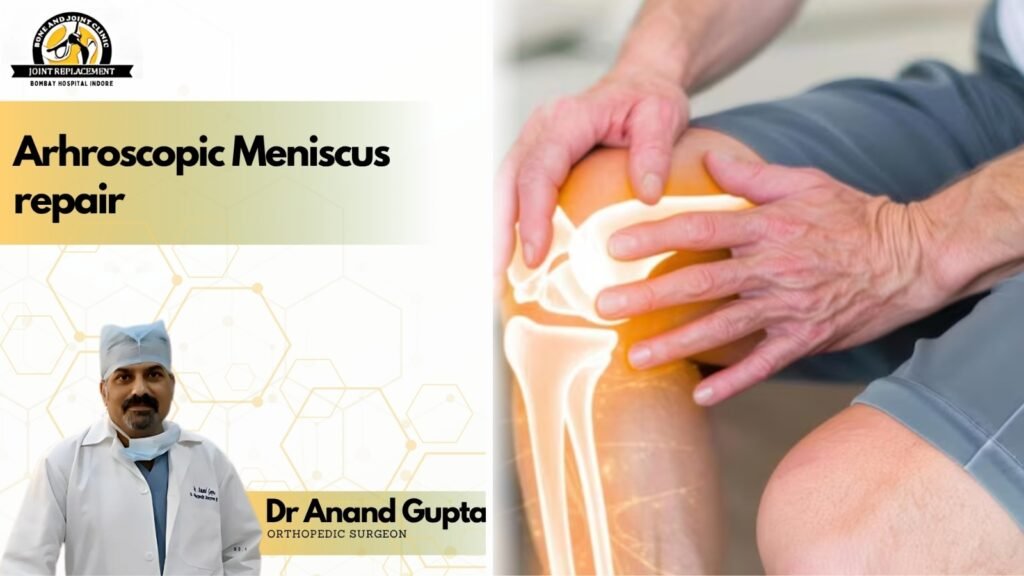
Arthroscopic Meniscus Repair: A Complete Guide to Knee Recovery and Long-Term Joint Health
Knee pain can slowly start affecting your everyday life without you even realizing it. What begins as mild discomfort can turn into difficulty in walking, climbing stairs, or performing routine activities. One of the most common causes behind such persistent knee pain is a meniscus tear. This condition, if ignored, can worsen over time and lead to long-term joint problems.
With modern advancements in orthopaedic care, treatments like Arthroscopic Meniscus repair in indore have made it possible to treat meniscus injuries effectively with minimal discomfort and faster recovery. This technique focuses on repairing the torn cartilage rather than removing it, which plays a crucial role in preserving knee function.
Understanding the Meniscus and Its Importance
The meniscus is a soft, rubbery cartilage present inside the knee joint. Each knee contains two menisci—one on the inner side and one on the outer side. These structures act as shock absorbers between the thigh bone and shin bone.
Key functions of the meniscus:
- Absorbs shock during movement
- Distributes weight evenly across the joint
- Provides stability to the knee
- Reduces friction between bones
When the meniscus gets damaged, these functions are affected, leading to pain and restricted mobility. This is why many patients opt for Arthroscopic Meniscus repair in indore to restore normal knee function and prevent further complications.
Causes of Meniscus Tear
Meniscus tears can occur due to a variety of reasons. While younger individuals often experience tears due to injury, older adults may develop them due to wear and tear.
Common causes include:
- Sudden twisting or pivoting movements
- Sports injuries during activities like football or running
- Deep squatting or improper lifting techniques
- Age-related degeneration
- Accidental falls or trauma
Ignoring these causes or delaying treatment can lead to worsening of the condition. Consulting an experienced arthroscopic surgeon in indore at the right time can help prevent further damage.
Symptoms You Should Not Ignore
Meniscus tears often present symptoms that people tend to overlook initially.
Common symptoms:
- Persistent knee pain
- Swelling and stiffness
- Difficulty bending or straightening the knee
- Locking or clicking sensation
- Feeling that the knee may give way
If these symptoms persist, it is important to seek medical advice. Consulting Dr Anand Gupta, a well-known arthroscopic surgeon in indore, can help in early diagnosis and effective treatment.
Diagnosis of Meniscus Injury
Accurate diagnosis is essential for determining the right course of treatment.
Diagnostic methods include:
- Physical examination of knee movement
- MRI scan to detect the tear
- X-rays to rule out other joint issues
Based on the severity of the injury, the doctor may suggest conservative treatment or surgical intervention such as Arthroscopic Meniscus repair in indore, especially in cases where the tear is significant.
What is Arthroscopic Meniscus Repair?
Arthroscopic meniscus repair is a minimally invasive surgical procedure used to repair the torn cartilage. It involves inserting a small camera into the knee joint through tiny incisions.
The surgeon uses specialized instruments to stitch the torn meniscus, allowing it to heal naturally. This technique has made Arthroscopic Meniscus repair in indore a preferred choice for patients due to its precision and effectiveness.
An experienced arthroscopic surgeon in indore ensures that the procedure is performed safely with optimal results.
Benefits of Arthroscopic Meniscus Repair
This advanced surgical approach offers multiple advantages over traditional open surgery.
Key benefits include:
- Minimal incisions and reduced scarring
- Less post-operative pain
- Faster recovery time
- Shorter hospital stay
- Preservation of natural knee structure
Patients undergoing Arthroscopic Meniscus repair in indore often experience significant improvement in mobility and quality of life when treated by a skilled arthroscopic surgeon in indore.
Step-by-Step Procedure
Understanding the procedure can help patients feel more confident.
Steps involved:
- Pre-surgery evaluation and tests
- Administration of anesthesia
- Insertion of arthroscope into the knee
- Repairing the torn meniscus
- Closing the incisions
The procedure typically takes 30–60 minutes. Surgeons performing Arthroscopic Meniscus repair in indore ensure high precision and patient safety.
Recovery and Rehabilitation
Recovery is an important phase that determines the success of the surgery.
Immediate post-surgery care:
- Rest and limited movement
- Application of ice packs
- Pain management
Gradual recovery:
- Physiotherapy exercises
- Controlled movement and walking
Full recovery:
- Return to daily activities
- Improved strength and flexibility
Most patients who undergo Arthroscopic Meniscus repair in indore recover within a few weeks, with complete healing taking a few months.
Importance of Physiotherapy
Physiotherapy plays a key role in recovery after surgery.
It helps in:
- Restoring joint movement
- Strengthening muscles around the knee
- Preventing stiffness
- Improving flexibility
Following a proper rehabilitation program after Arthroscopic Meniscus repair in indore ensures long-term success and reduces the chances of re-injury.
Who Should Consider This Surgery?
Not every meniscus tear requires surgery, but certain cases benefit greatly from it.
Ideal candidates include:
- Young and active individuals
- Athletes with sports injuries
- Patients with severe or persistent symptoms
- Individuals without advanced arthritis
A consultation with an experienced arthroscopic surgeon in indore helps determine the best treatment plan.
Risks and Complications
Although arthroscopic surgery is generally safe, some risks may include:
- Infection
- Blood clots
- Knee stiffness
- Rare cases of repair failure
Choosing a skilled arthroscopic surgeon in indore significantly reduces these risks and ensures better outcomes.
Why Timely Treatment is Important
Delaying treatment can lead to serious complications.
Timely Arthroscopic Meniscus repair in indore helps:
- Prevent further damage
- Maintain joint stability
- Reduce chronic pain
- Avoid long-term issues like arthritis
Early consultation with a qualified arthroscopic surgeon in indore can make a significant difference in recovery.
Tips for Maintaining Knee Health
After recovery, maintaining knee health is essential to avoid future injuries.
Tips include:
- Maintain a healthy weight
- Avoid sudden twisting movements
- Engage in regular exercise
- Wear proper footwear
- Follow your doctor’s advice
Patients who follow these precautions after Arthroscopic Meniscus repair in indore often experience long-lasting relief.
Why Choose an Expert Surgeon?
The success of the procedure depends largely on the expertise of the surgeon.
Factors to consider:
- Experience in arthroscopic procedures
- Use of advanced technology
- Personalized patient care
Many patients trust Dr Anand Gupta, a reputed arthroscopic surgeon in indore, for effective treatment and long-term results.
Frequently Asked Questions (FAQs)
1. How long does recovery take?
Recovery usually takes 6–12 weeks depending on the severity of the condition.
2. Is the procedure painful?
The surgery is painless due to anesthesia, and post-surgery discomfort is manageable.
3. Can I walk after surgery?
Yes, walking is possible with support within a few days after Arthroscopic Meniscus repair in indore.
4. Is physiotherapy necessary?
Yes, physiotherapy is essential for proper recovery.
5. Is the surgery safe?
Yes, it is a safe and minimally invasive procedure when performed by an experienced surgeon.
6. Can the tear happen again?
There is a small risk if proper precautions are not followed.
7. When can I return to sports?
Most patients return to sports after complete recovery and rehabilitation.
8. What happens if I delay treatment?
Delaying treatment can worsen the condition and lead to long-term joint damage.